
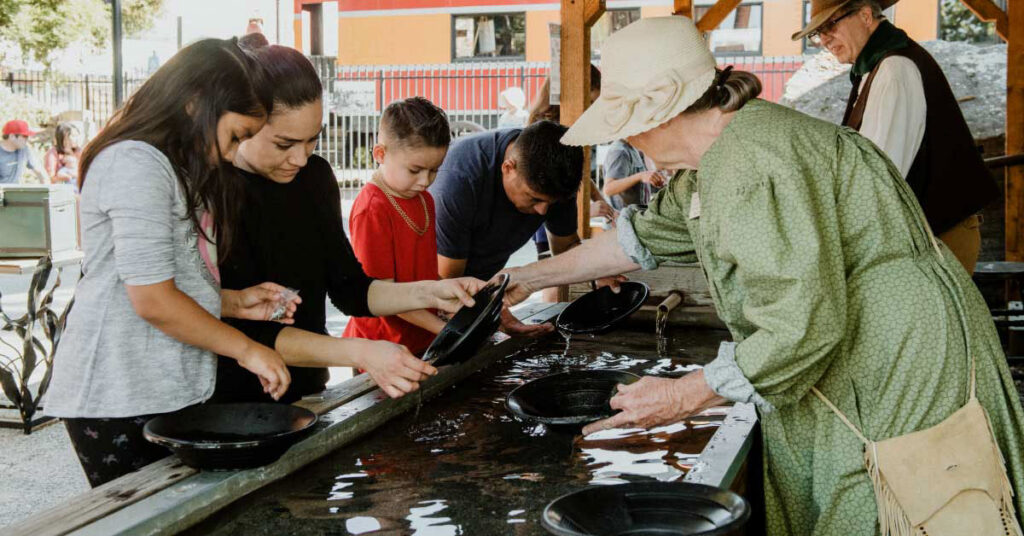
Some destinations tell their history through museums. In Folsom, California, you can walk right through it.
From Gold Rush beginnings and California’s first passenger railroad to groundbreaking electrical innovation and one of the state’s most famous prisons, Folsom is filled with stories that helped shape California. Historic buildings, museums, bridges, railroad landmarks and living history experiences make it an ideal destination for history lovers.
Spend a weekend exploring Historic Folsom, discovering fascinating museums and historic sites, and dining inside buildings connected to the city’s past with this three-day Folsom history itinerary.
Friday Evening: Explore Historic Folsom
Start your weekend in Historic Folsom, where much of the city’s early history remains visible today.
Stroll along Sutter Street, where Gold Rush prospectors, merchants, Pony Express riders and railroad passengers once passed through town. After fires destroyed many businesses during the 1800s, brick buildings replaced earlier wooden structures, helping create the historic streetscape visitors see today.
Take some time to explore the shops and architecture before settling in for dinner at one of the Historic District’s restaurants.
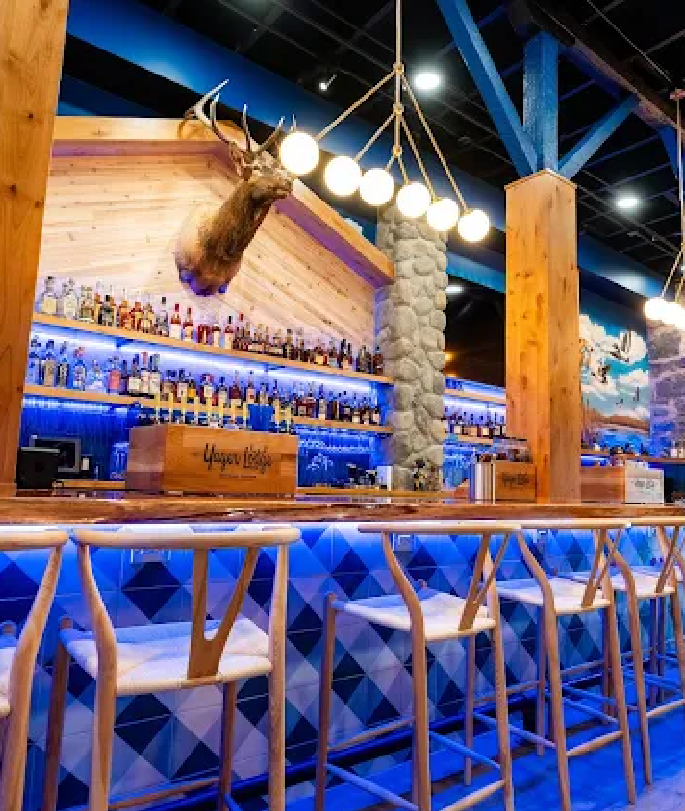
Yager Lodge occupies a historic building dating to 1872. The property has been part of Folsom for more than 150 years and today pairs its historic surroundings with American comfort food and craft cocktails.
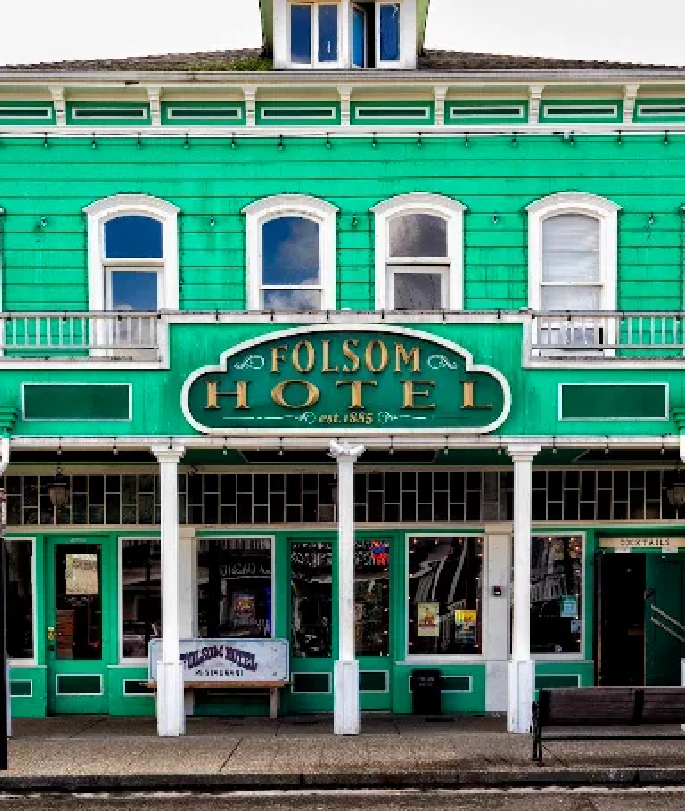
Another option is the Folsom Hotel, a local landmark dating to 1885. Once known as the New Western Hotel, the building welcomed generations of travelers and still captures the spirit of Folsom’s Old West past. Check the entertainment schedule before your visit and you may be able to pair dinner with live music.
Saturday: Discover the Stories That Built Folsom
Begin Saturday at the Folsom History Museum in the heart of Historic Folsom.
The museum provides an excellent introduction to Folsom history, with exhibits exploring the area’s Nisenan history, Gold Rush roots, railroad heritage, agriculture and the people and innovations that helped shape the community.
From there, take the Historic Folsom Walking Tour. This self-guided experience leads you through the Historic District and along Sutter Street, past the railroad depot and turntable, and across the historic Truss Bridge.
Audio stories, historic photographs and curated stops reveal how Folsom developed from a Gold Rush-era community into the city it is today. Because the tour is self-guided, you can explore at your own pace and stop along the way.
If you’re visiting on a weekend, don’t miss The Square. Open Saturdays and Sundays, this unique gathering place celebrates traditional craftsmanship with working blacksmith demonstrations, and explore hands-on maker activities inside the historic Ashland Station, where traditional craftsmanship brings Folsom’s past to life.
Just a short walk away is the Railroad Museum & Historic Turntable. Housed inside a restored Santa Fe passenger car, the museum tells the story of the Sacramento Valley Railroad, home to California’s first passenger train service. Standing beside the preserved turntable offers a glimpse into the days when steam locomotives powered California’s rapid growth.
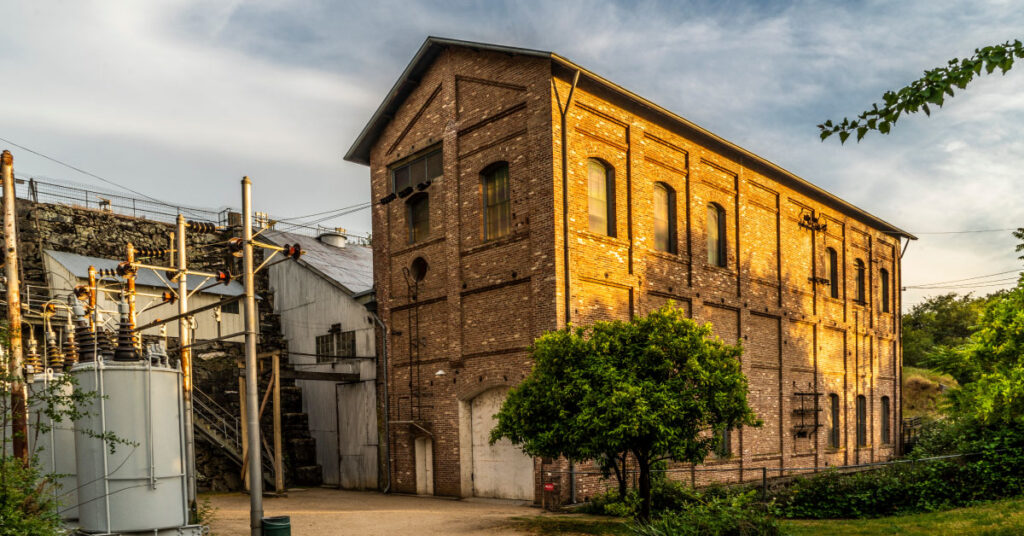
In the afternoon, visit Folsom Powerhouse State Historic Park, where one of the most significant moments in electrical history took place. In 1895, the powerhouse transmitted high-voltage electricity 22 miles to Sacramento, the world’s first long-distance transmission of its kind, ushering in a new era of electric power. It’s one of California’s most remarkable engineering achievements and an often-overlooked chapter in American history.
For dinner, head to Scott’s Seafood Roundhouse. The restaurant overlooks an exact replica of Folsom’s original railroad roundhouse and historic turntable, making it an ideal stop for railroad enthusiasts. Enjoy fresh seafood or classic steakhouse favorites, then head upstairs to Willamette Wineworks, where you can sip local wines overlooking the tracks, or even blend your own bottle to take home. Reservations are recommended.
Sunday: Visit the Folsom Prison Museum
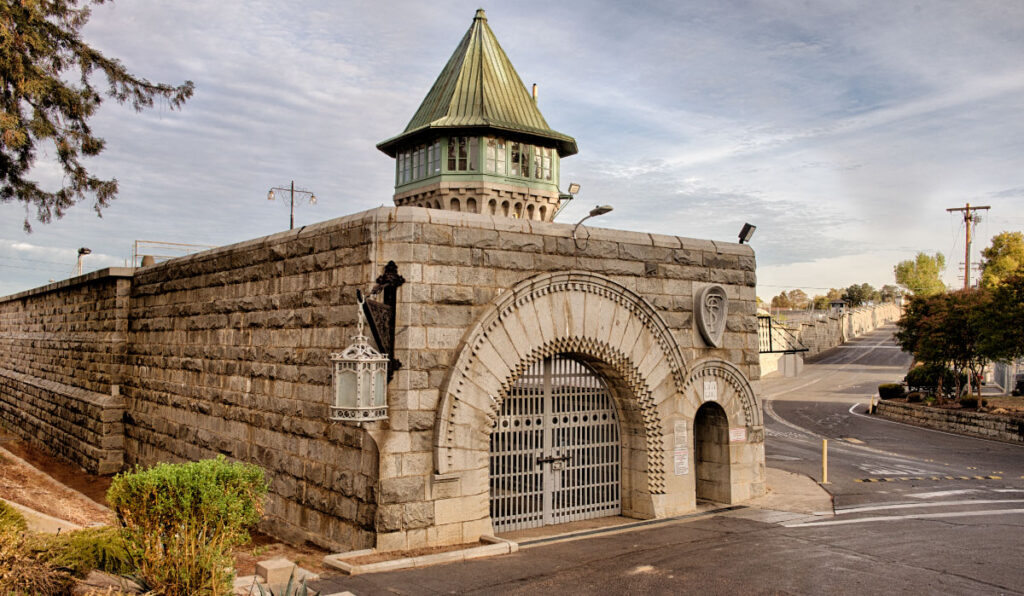
Begin Saturday at the Folsom History Museum in the heart of Historic Folsom.
The museum provides an excellent introduction to Folsom history, with exhibits exploring the area’s Nisenan history, Gold Rush roots, railroad heritage, agriculture and the people and innovations that helped shape the community.
From there, take the Historic Folsom Walking Tour. This self-guided experience leads you through the Historic District and along Sutter Street, past the railroad depot and turntable, and across the historic Truss Bridge.
Audio stories, historic photographs and curated stops reveal how Folsom developed from a Gold Rush-era community into the city it is today. Because the tour is self-guided, you can explore at your own pace and stop along the way.
More Historic Places to Visit in Folsom
Historic Truss Bridge – One of Folsom’s most photographed landmarks, this 1893 steel Pratt truss bridge once carried automobiles across the American River as part of the historic Lincoln Highway. Today it’s a pedestrian bridge offering beautiful views of the river, Lake Natoma, Rainbow Bridge, and Historic Folsom.
Rainbow Bridge – Completed in 1919, Rainbow Bridge was built after the original bridge was washed away in flooding. Listed on the National Register of Historic Places, it remains one of Folsom’s most recognizable landmarks and a beautiful reminder of early California engineering.
Johnny Cash Trail – While many know Johnny Cash for his legendary 1968 performance at Folsom Prison, the city honors his legacy with the Johnny Cash Trail. Even if you’re not planning a long walk or bike ride, drive under the impressive Johnny Cash Bridge that towers over Folsom Lake Crossing or stop by Cash’s Guitar Pick and learn more about the connection between the music icon and Folsom.
Pioneer Cemetery – One of Folsom’s quietest historic sites, the Pioneer Cemetery tells the stories of many of the families who helped build the community during the Gold Rush era. It’s a peaceful place to reflect on the people whose names helped shape the city’s history.